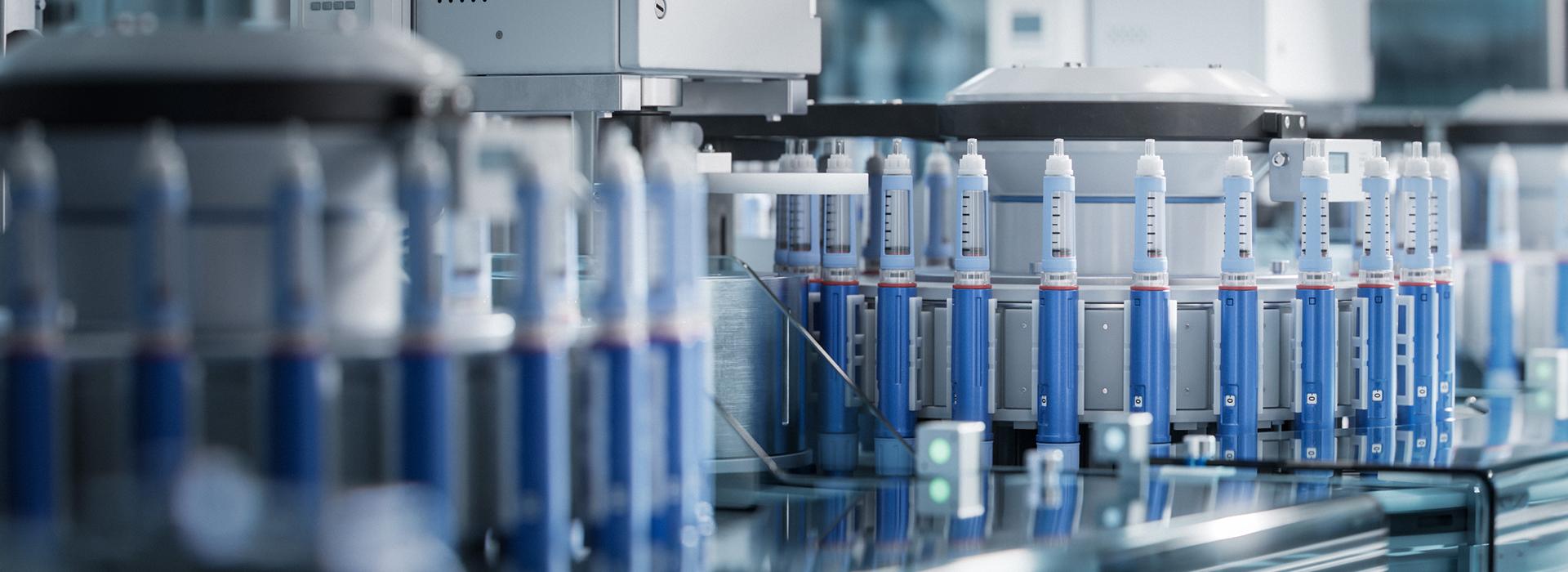
Medications like Ozempic, Wegovy, Mounjaro, and Zepbound are helping many patients in Grosse Pointe achieve significant, medically guided weight loss.
While these GLP-1 medications offer important metabolic and cardiovascular benefits, some patients notice changes in their skin, face, or hair during their weight loss journey.
As board-certified dermatologists in Grosse Pointe, we frequently evaluate and treat these concerns. The reassuring news: most of these changes are common, understandable, and very treatable.
Below are the top five skin concerns we see in patients using GLP-1 medications — and what you should know.

With weight loss comes fat reduction — including in the face. Facial fat provides youthful structure and contour. When weight loss is rapid, patients may notice:
This is not caused by the medication directly, but by accelerated fat loss. The faster the weight loss, the more noticeable the change can be.
At our practice, we customize aesthetic treatments for weight loss-related volume changes to restore balance while maintaining natural results. Injectable treatments like Sculptra Aesthetic and hyaluronic acid fillers such as Juvederm, Restylane, and RHA, as well as skin boosters like Rejuran PDRN or Skinvive, can restore, strengthen, and manage elasticity to support the skin through changes.
After significant weight loss, the skin may not immediately "snap back". This can affect the:
Skin elasticity depends on collagen and elastin, which naturally decrease with age. Rapid weight reduction may outpace the skin's ability to contract.
Many patients seeking a dermatologist in Grosse Pointe ask about non-surgical tightening options. Fortunately, collagen-stimulating and skin-tightening treatments can help improve firmness and texture. Options include device-based treatment like Ultherapy and EVO Micropen microneedling. Products like Revision Skincare BodiContour and SkinMedica Firm and Tone are lotions that can support the texture and support collagen in the skin.
Increased hair shedding several months after weight loss is common. This condition, known as telogen effluvium, is triggered by physiologic stress on the body.
Contributing factors include:
The good news: this type of hair loss is usually temporary. With proper nutritional support and, when appropriate, medical treatment, regrowth typically occurs. Cosmetic options that we have available include Platelet-Rich Plasma hair restoration, the Nutrafol line of supplements and hair products as well as Plated Hair serum exosome therapy.
GLP-1 medications reduce appetite, which can unintentionally reduce:
Patients may notice:
Supporting the skin barrier with medical-grade skincare and optimizing hydration can significantly improve these symptoms. We offer an array of medical-grade skincare products that can be customized into a regimen that is appropriate for your website.
Some patients experience mild redness, itching, or irritation at the injection site. These reactions are usually temporary.
However, persistent or spreading rashes should be evaluated by a qualified dermatologist to rule out allergic or inflammatory causes.
GLP-1 medications do not damage the skin. Most dermatologic changes are secondary to:
When weight loss is gradual and protein intake is optimized, many skin-related effects can be minimized.
If you are experiencing skin changes during your GLP-1 journey, you are not alone — and solutions are available.
As an experienced dermatologist in Grosse Pointe, we develop personalized treatment plans that may include:
Our goal is to help you look as healthy and vibrant as you feel.
GLP-1 medications can be transformative for overall wellness. If skin, hair, or facial changes are part of your journey, we can help you navigate them safely and effectively.
Resources
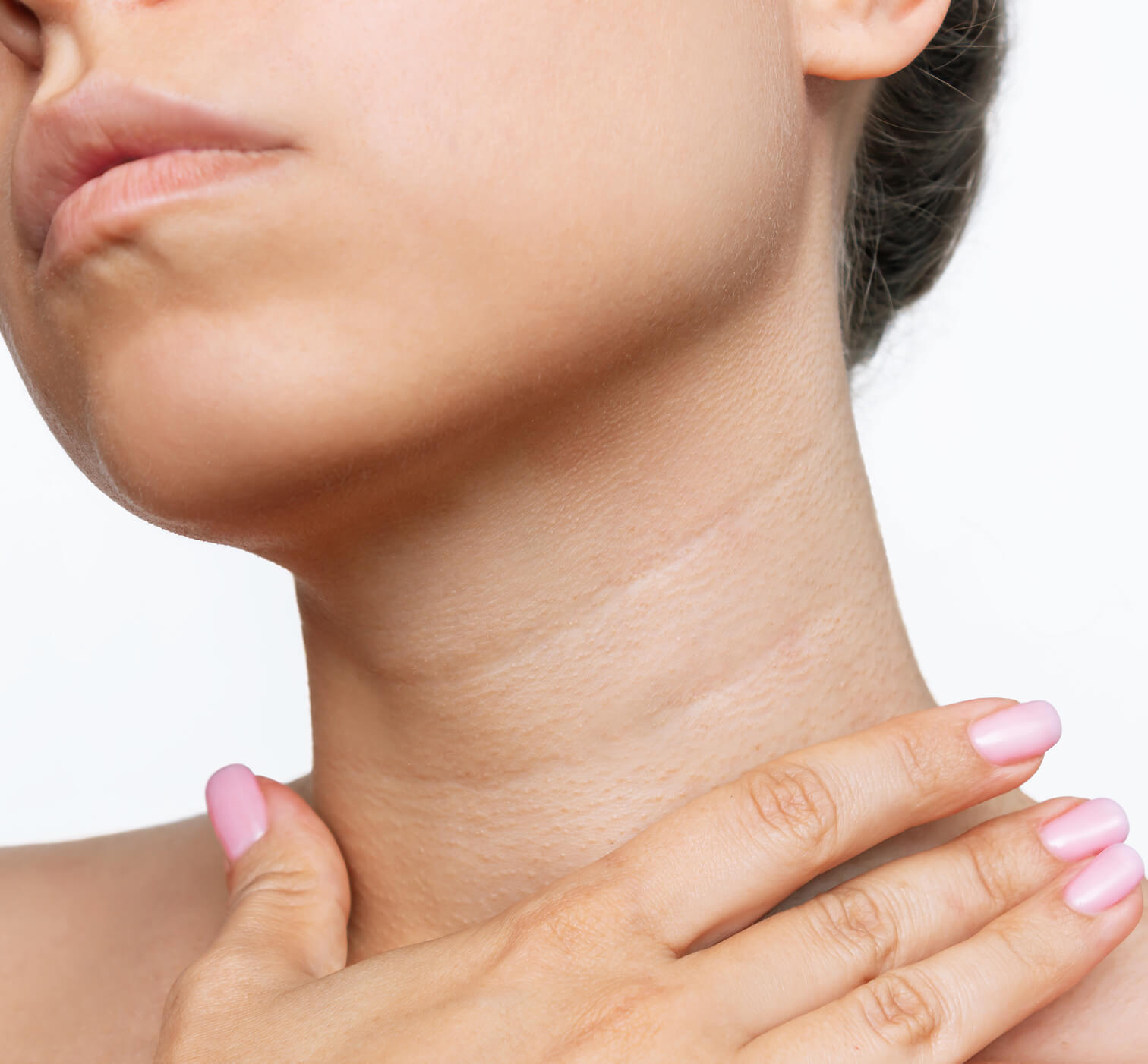
PLLA is a regenerative injectable that stimulates your skin to rebuild collagen over time for firmer, smoother face and neck results.
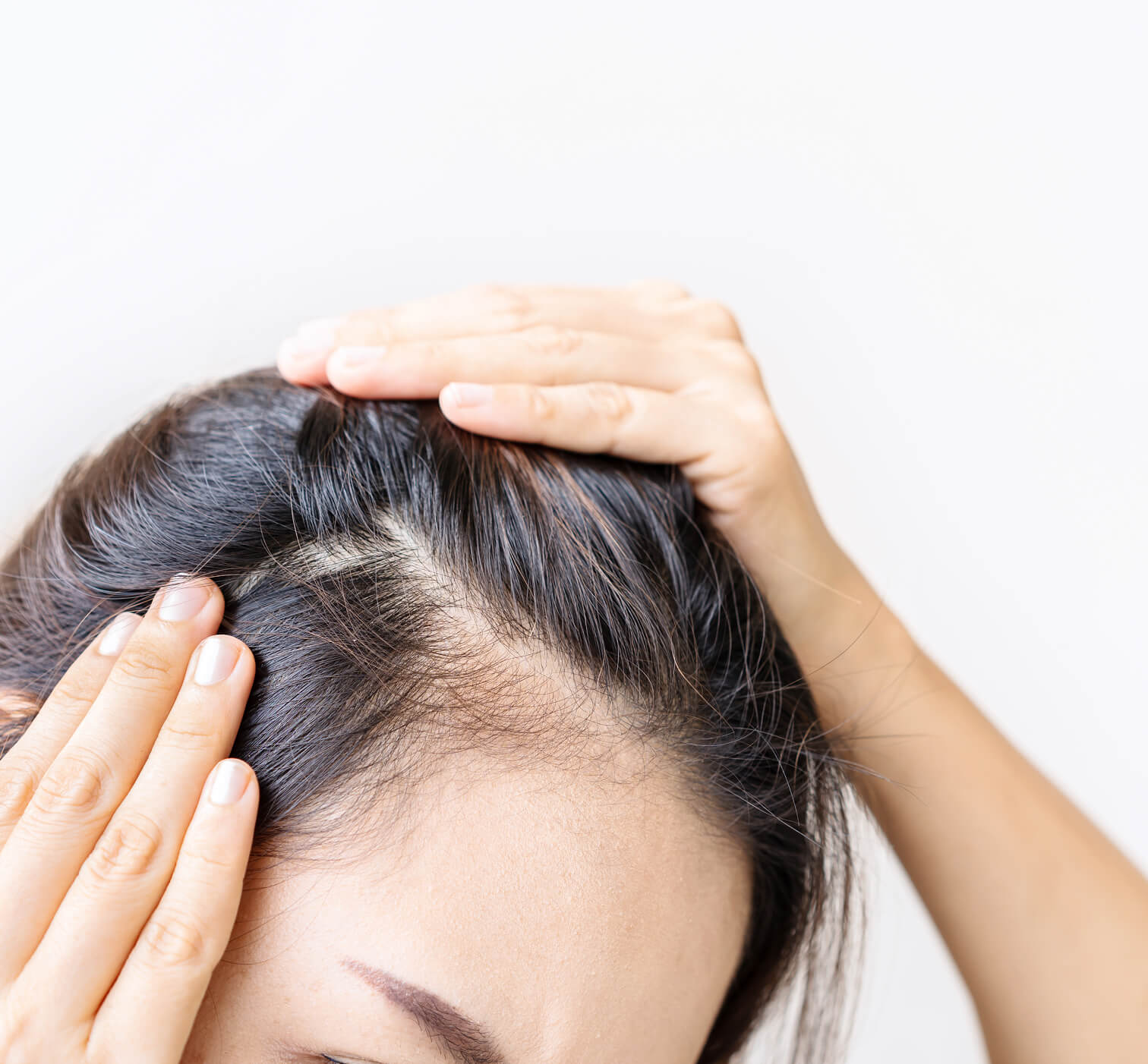
Dry, itchy scalp is one of the most common complaints in dermatology, yet it's also one of the most misunderstood.
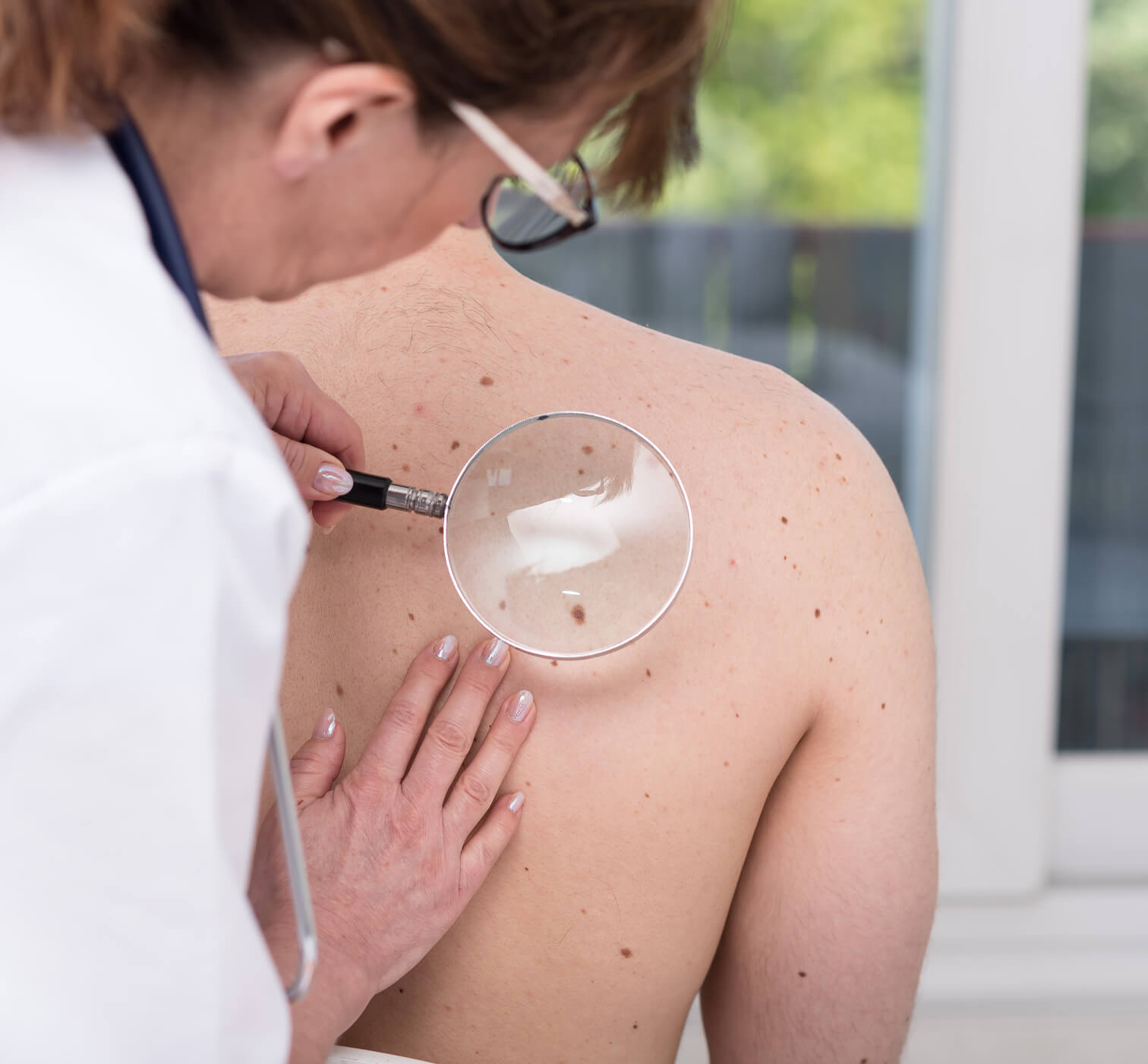
Yes. And this is one of the most important conversations dermatologists have with patients. Sunscreen is a powerful tool—but not a guarantee.