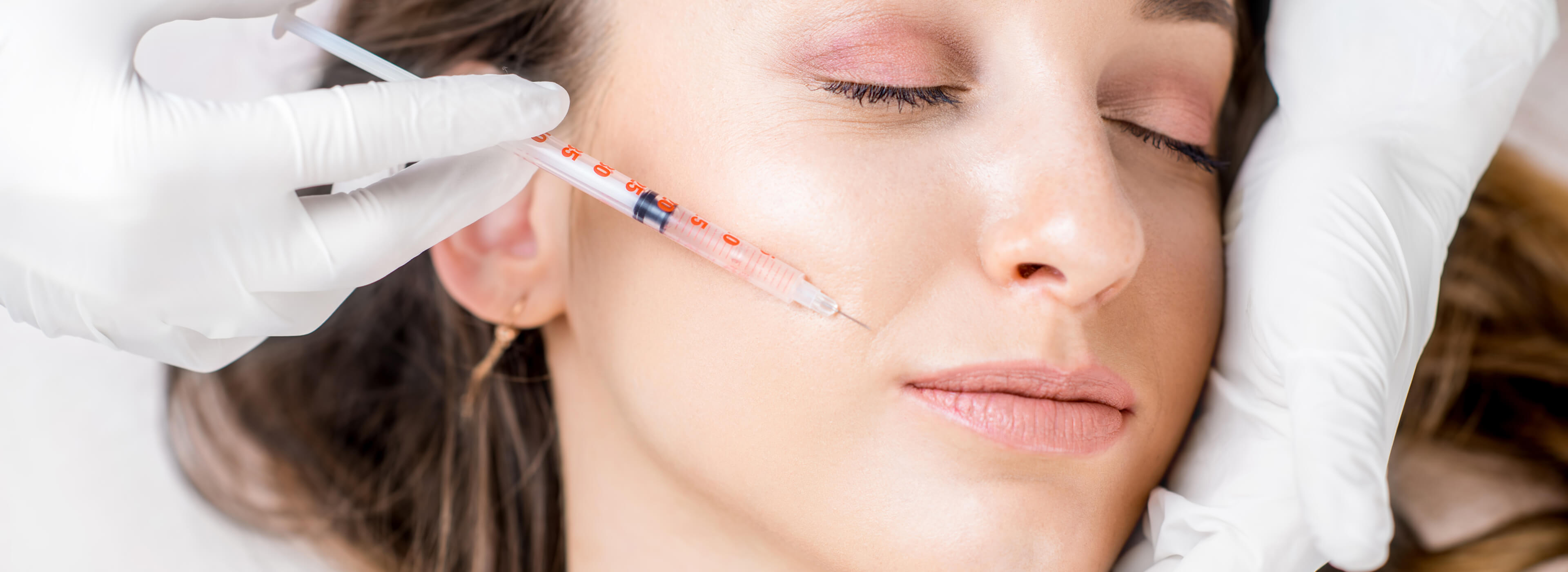
If you wake up with jaw pain, headaches, or notice your teeth wearing down, you may be dealing with bruxism—the unconscious clenching or grinding of the teeth, especially at night. While stress management and dental guards can help, many patients find significant relief with a simple in-office dermatology treatment: Botox injections to the jaw muscles.

Botox gently relaxes the masseter muscles, the large jaw muscles responsible for clenching. By softening the intensity of these contractions—but not affecting your ability to chew or speak—it reduces the pressure placed on the teeth and jaw joint. Most patients notice improvement within 7–10 days, with results lasting 3–4 months.
Treating bruxism typically involves 3–4 small injections into each masseter muscle on both sides of the jaw. These muscles sit at the angle of the jawline, extending upward toward the cheek. Your dermatologist palpates the muscle while you clench to map the safest, most effective points.
In some cases, additional micro-injections are placed into the temporalis muscles at the temples if clenching also involves those upper jaw muscles.
The treatment takes only a few minutes and involves minimal discomfort—most people compare it to tiny pinches. There's no downtime, and you can return to normal activities immediately. Over time, many patients experience fewer morning headaches, less jaw soreness, improved sleep, and even a slimmer jawline due to reduced muscle bulk.
If you're struggling with jaw tension or nighttime grinding, Botox offers a safe, proven option performed in a dermatologist's office with precision and comfort.
Resources

PLLA is a regenerative injectable that stimulates your skin to rebuild collagen over time for firmer, smoother face and neck results.
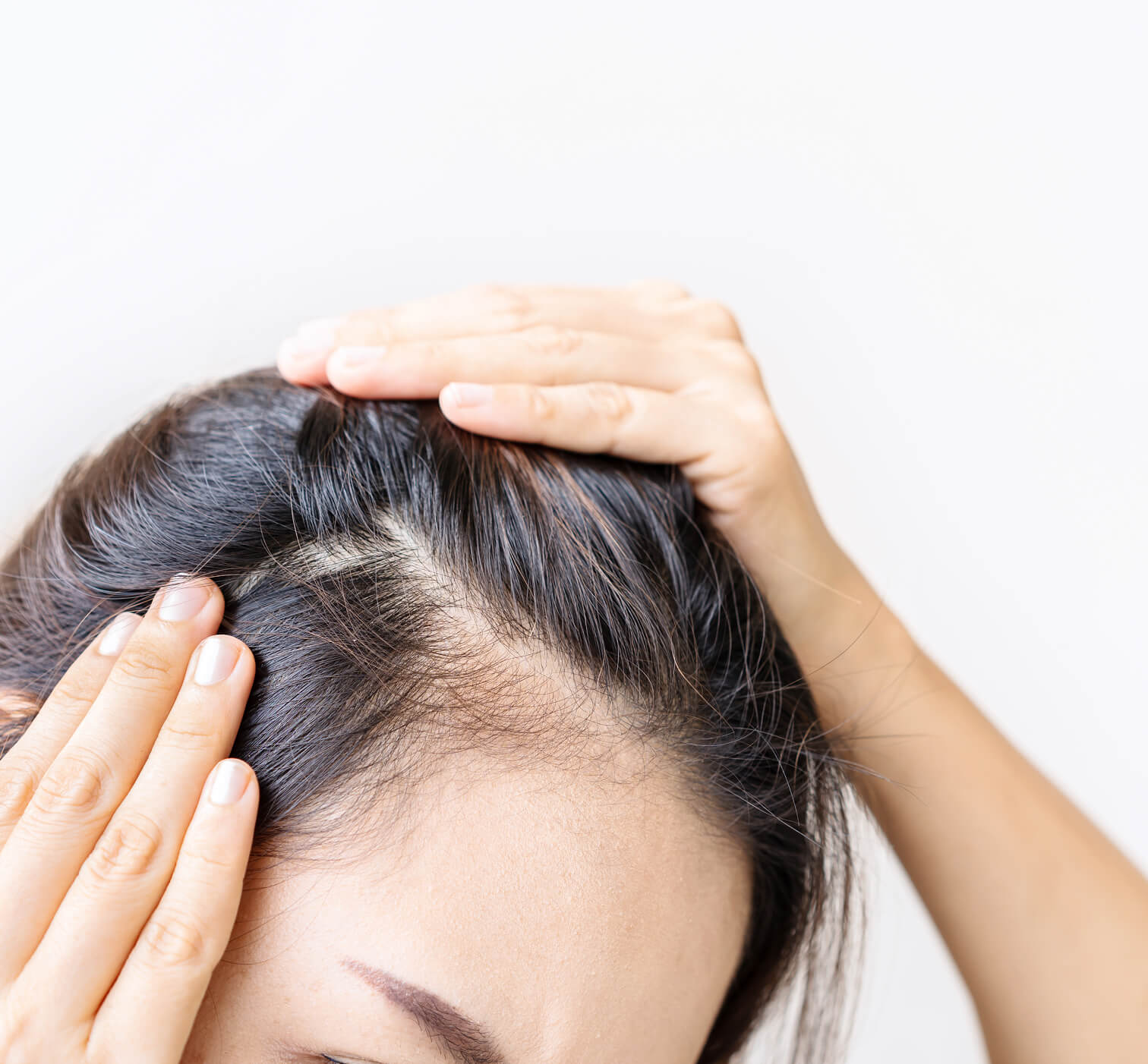
Dry, itchy scalp is one of the most common complaints in dermatology, yet it's also one of the most misunderstood.

Yes. And this is one of the most important conversations dermatologists have with patients. Sunscreen is a powerful tool—but not a guarantee.