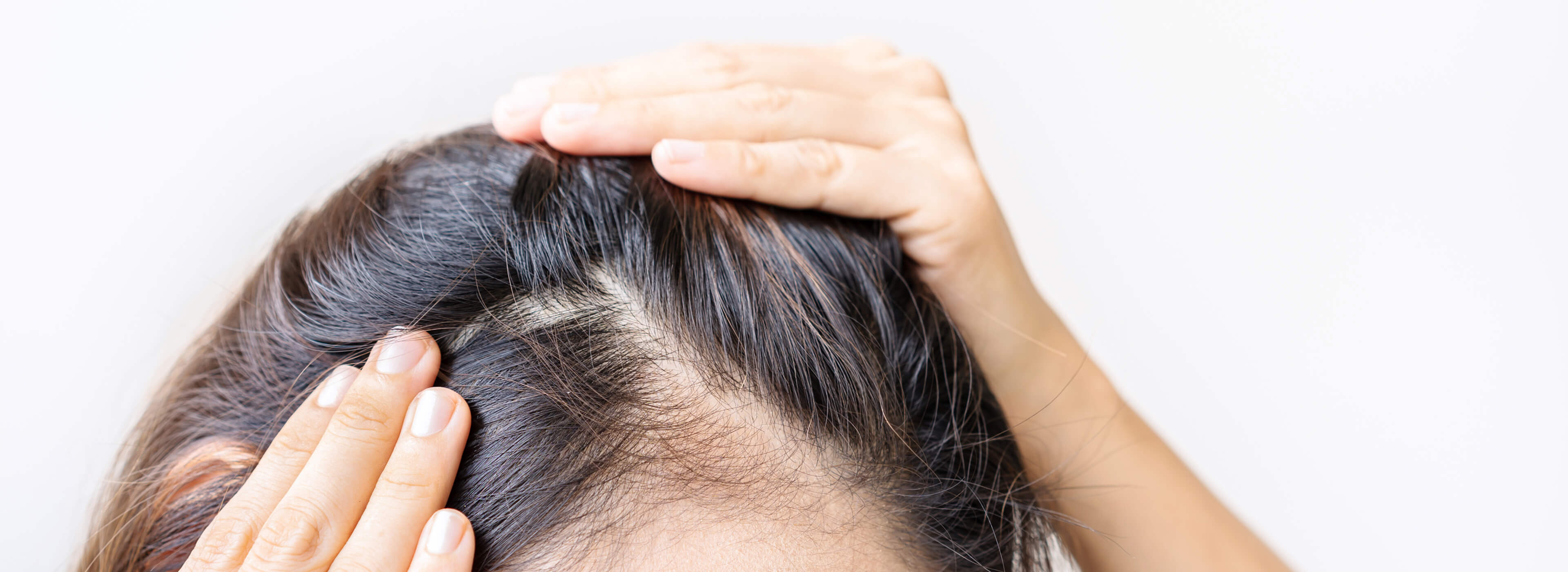
Dry, itchy scalp is one of the most common complaints in dermatology, yet it's also one of the most misunderstood—thanks largely to TikTok "experts" recommending everything from lemon juice scrubs to kitchen oils that often make things worse. In reality, a flaky or irritated scalp almost always comes down to a handful of medical causes, each with its own treatment path.
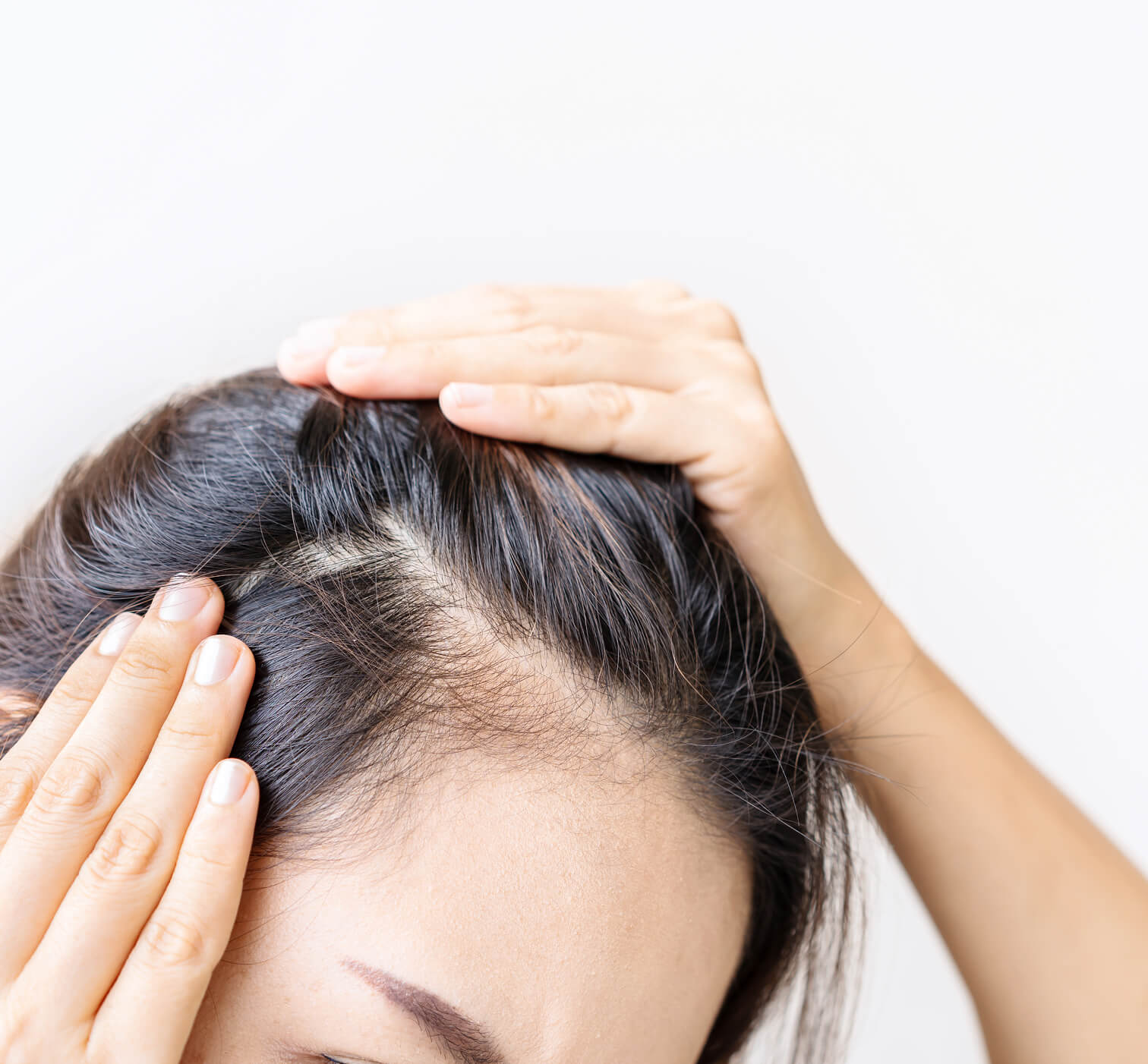
This is by far the most common culprit. It isn't caused by being "dirty," dry hair, or poor hygiene. Instead, it's an inflammatory reaction to a yeast (Malassezia) that naturally lives on the scalp.
Clues: Flakes, redness, itch, worse in colder months.
Best Treatments:
Most "dry scalp" isn't actually dryness—it's inflammation. But true xerosis can happen, especially with over-washing or harsh products.
Clues: Tightness, fine white flakes, no redness.
Best Treatments:
Fragrances, preservatives, dyes, and botanicals are common triggers—even in "clean beauty" lines.
Clues: Itch more than flaking, sensitivity to certain shampoos, new hair dyes, or styling products.
Best Treatments:
A chronic autoimmune condition—very different from dandruff.
Clues: Thick, silvery scales; plaques beyond the hairline; family history.
Best Treatments:
If something sounds like a kitchen recipe or a miracle cure, skip it.
If your scalp is painful, bleeding, rapidly worsening, or failing to improve after 2–3 weeks of proper medicated shampoos, a dermatologist can quickly pinpoint the cause and tailor treatment—something no viral 15-second clip can do.
Resources
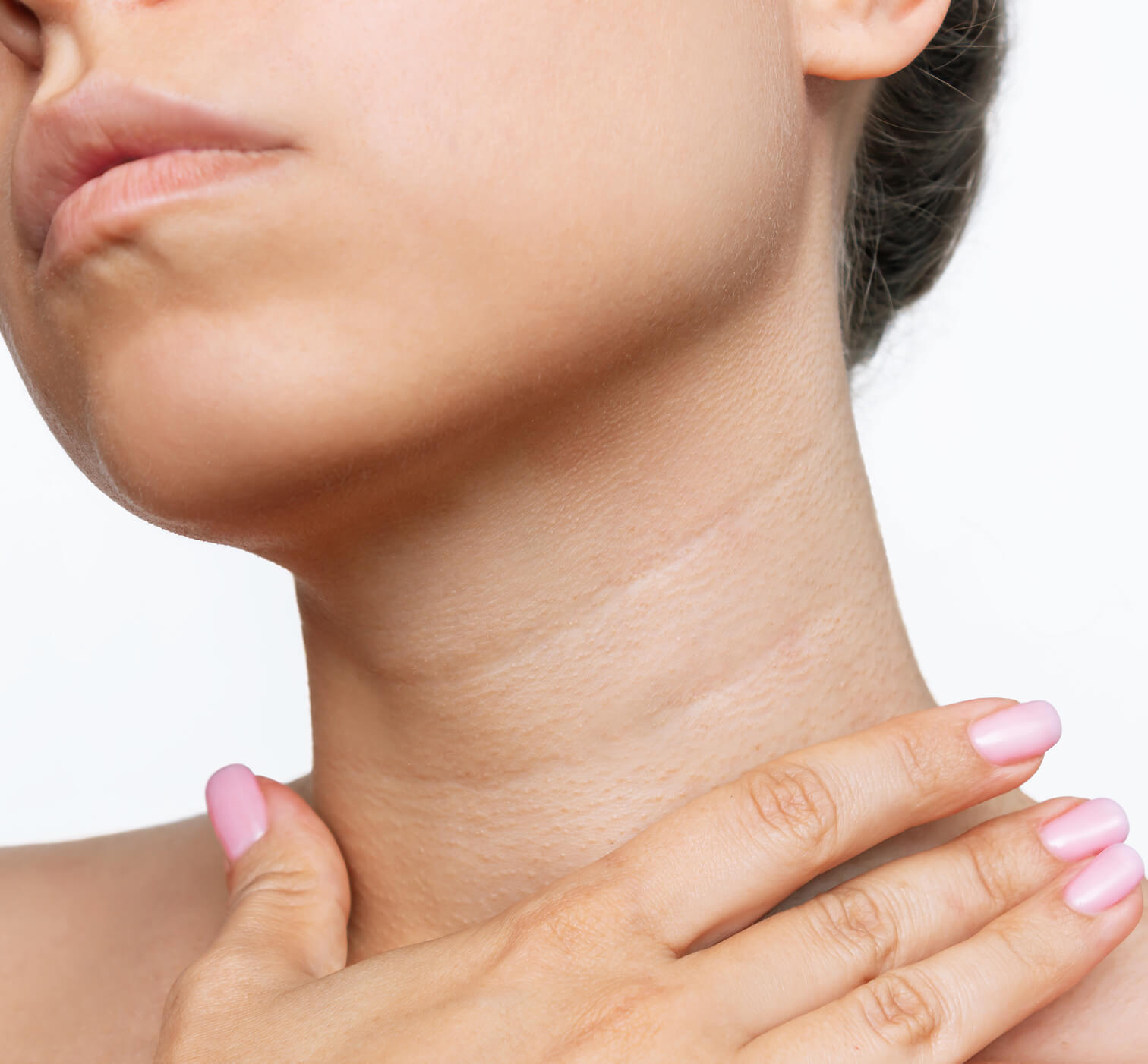
PLLA is a regenerative injectable that stimulates your skin to rebuild collagen over time for firmer, smoother face and neck results.
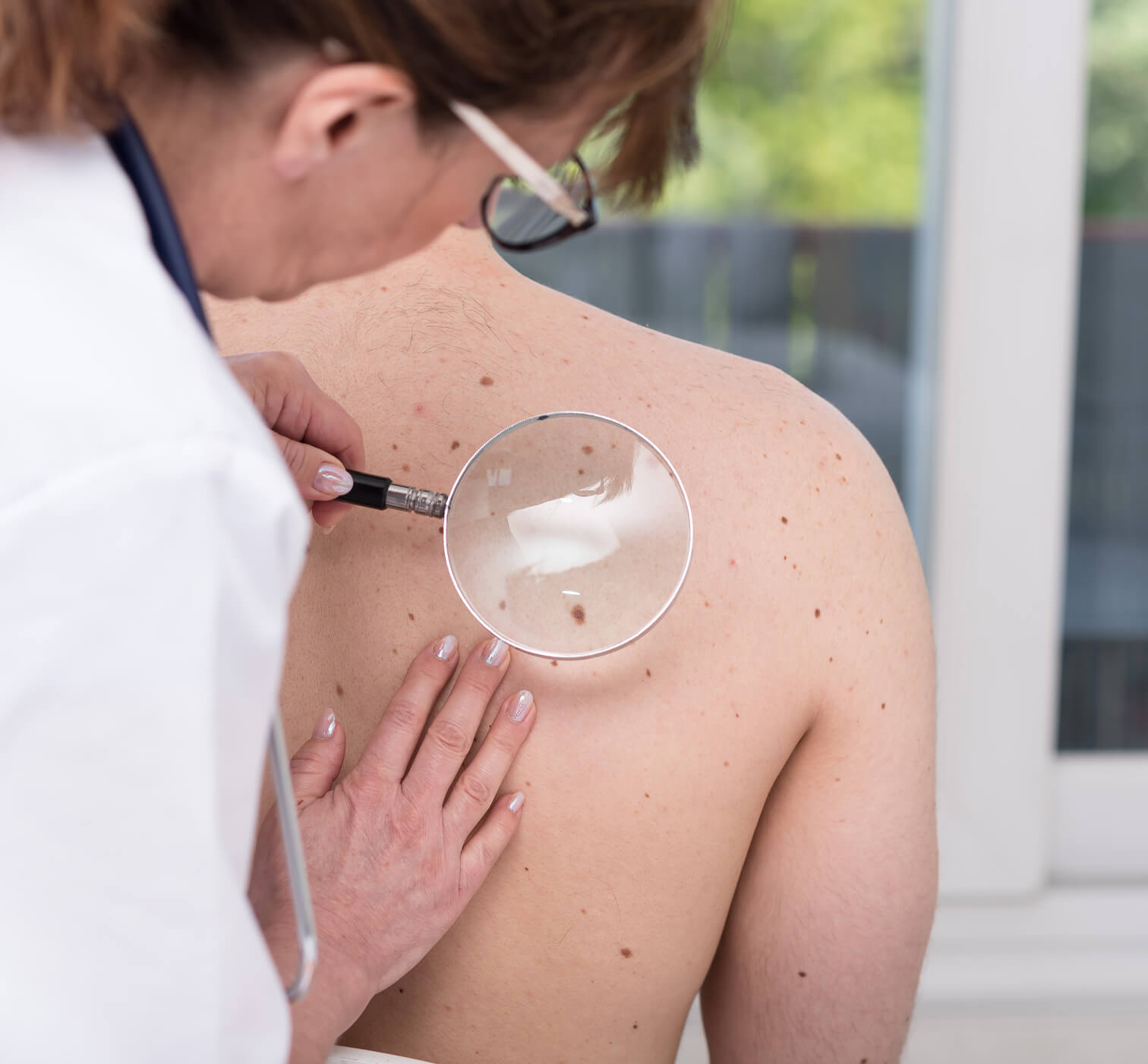
Yes. And this is one of the most important conversations dermatologists have with patients. Sunscreen is a powerful tool—but not a guarantee.
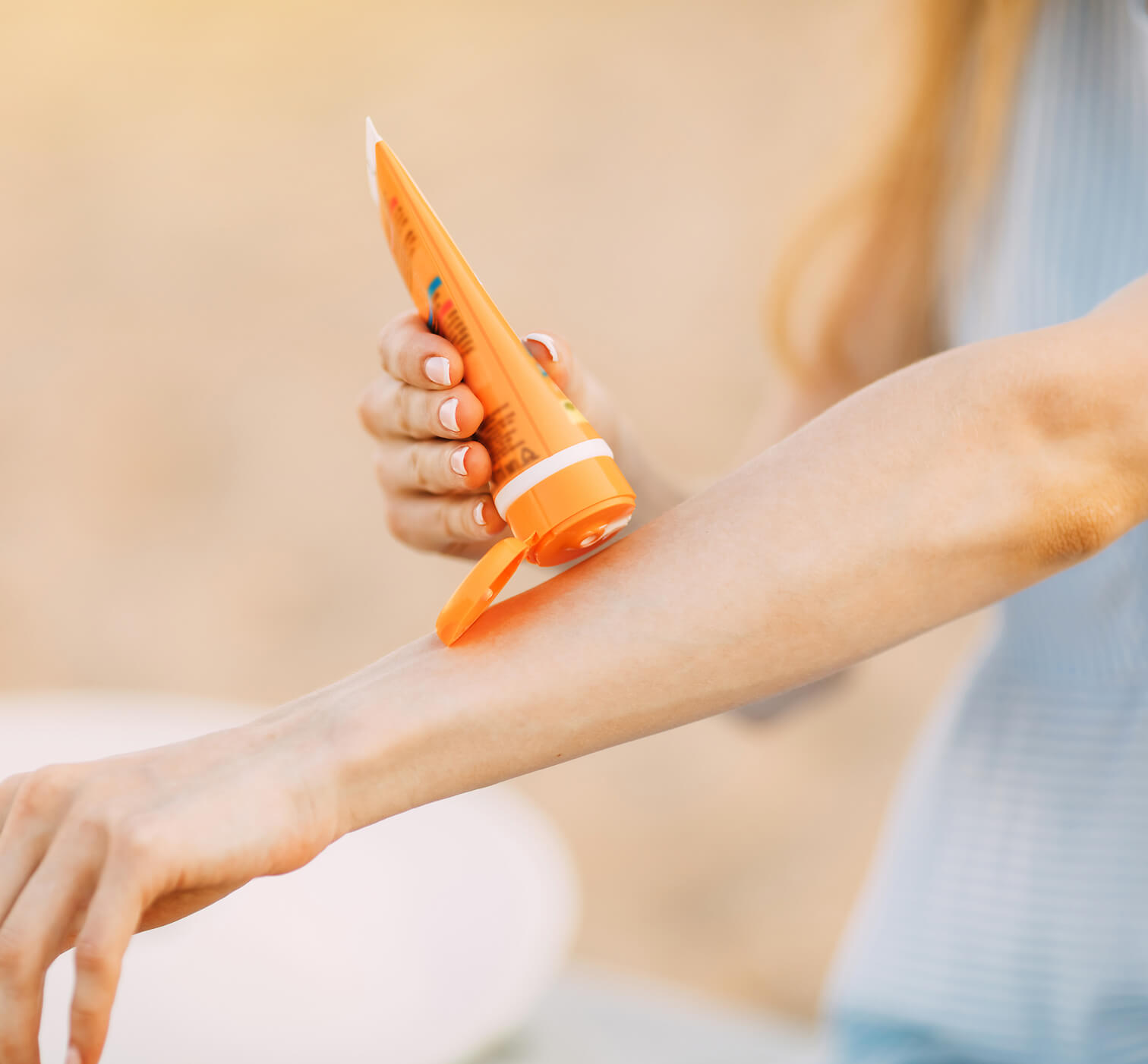
Few topics in dermatology generate more misinformation than sunscreen. Social media has turned sun safety into a battleground of extremes.