
Yes. And this is one of the most important conversations dermatologists have with patients. Sunscreen is a powerful tool for protecting the skin—but it is not a guarantee against skin cancer or sun damage.
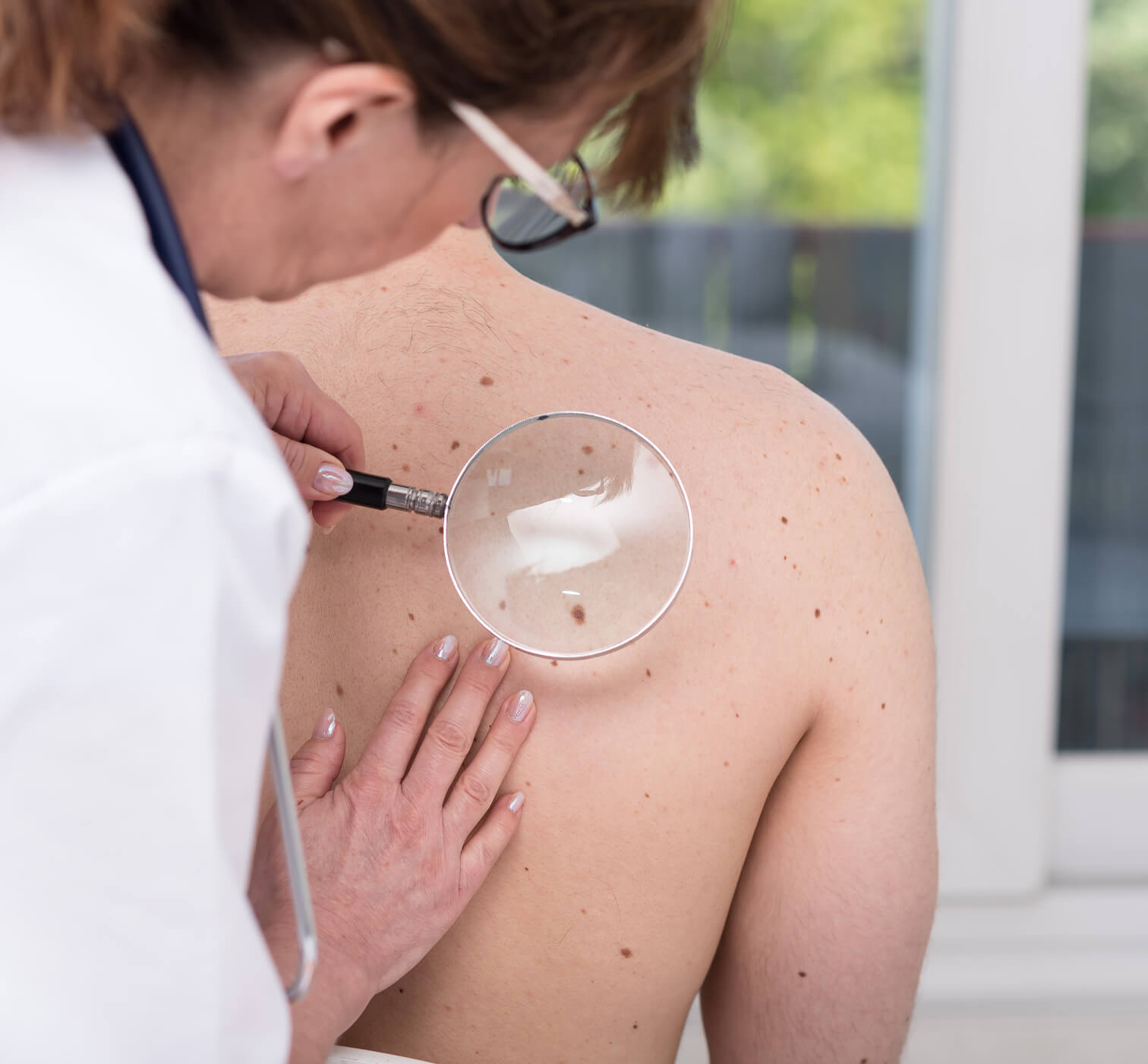
No sunscreen blocks 100% of ultraviolet (UV) radiation. SPF 30 filters about 97% of UVB rays; SPF 50 about 98%. That remaining exposure may seem small, but over years and decades, it can still contribute to DNA damage in skin cells—the root cause of skin cancer.
Broad-spectrum sunscreens protect against UVA rays, but UVA penetrates deeper into the skin and is present all day, year-round. These rays are a major driver of premature aging, pigmentation disorders, and also play a role in skin cancer development—even without sunburn.
In real life, people apply only a fraction of the amount used in testing. Sunscreen is often missed on the scalp, ears, eyelids, lips, and hands. It is also washed off by sweat and water or forgotten during reapplication. This means protection is frequently far less than the SPF on the label.
You do not need to burn to damage your skin. Tanning represents DNA injury. Collagen breakdown, immune suppression in the skin, and pigment changes can occur silently, even in people who use sunscreen daily.
Sunscreen should be used as part of a comprehensive sun-protection strategy, not alone:
Yes, it is still possible to develop skin cancer and sun damage despite using sunscreen—especially with prolonged exposure. Sunscreen reduces risk, but smart sun behavior is what truly protects skin over a lifetime.
Resources

PLLA is a regenerative injectable that stimulates your skin to rebuild collagen over time for firmer, smoother face and neck results.

Dry, itchy scalp is one of the most common complaints in dermatology, yet it's also one of the most misunderstood.
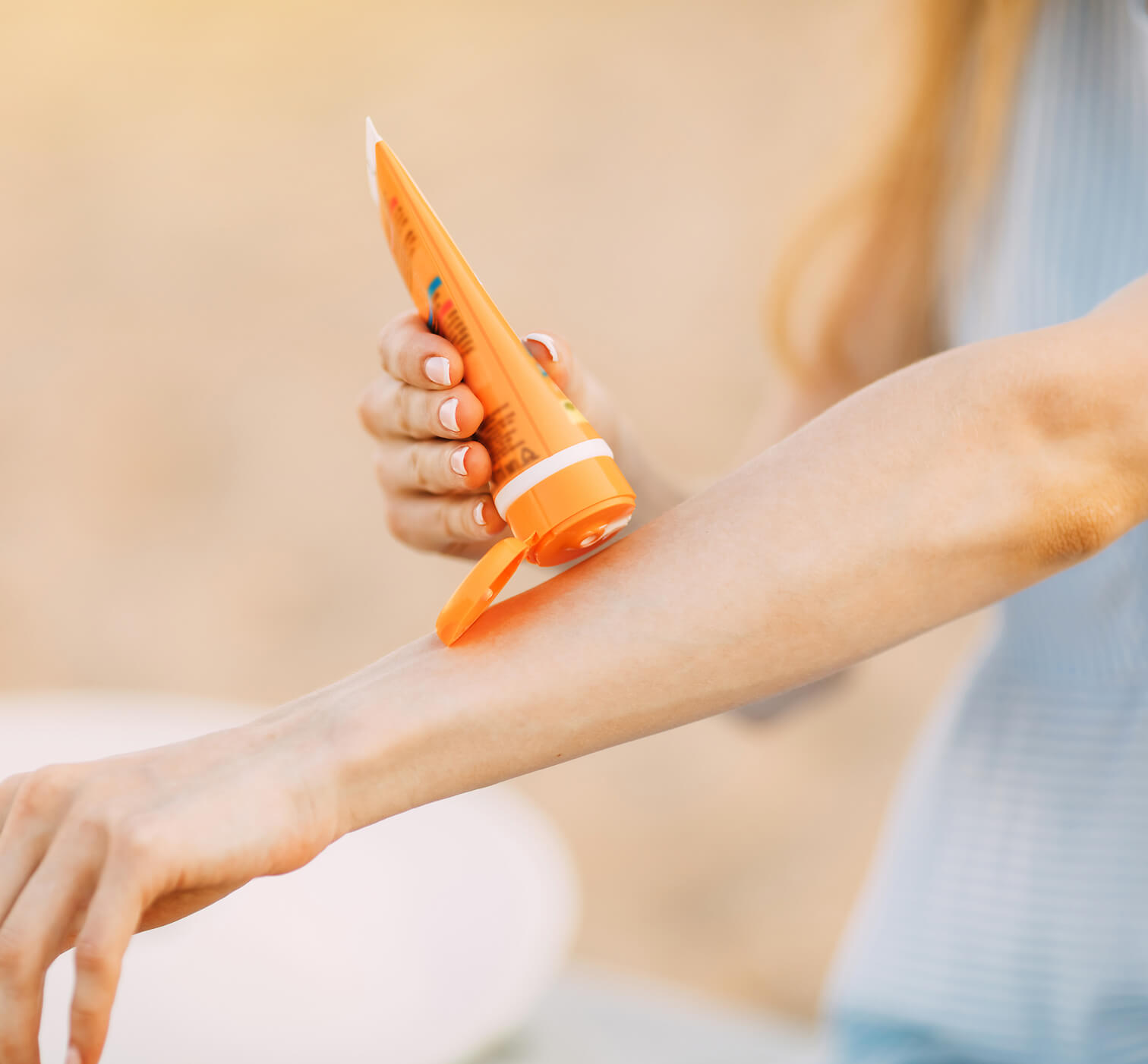
Few topics in dermatology generate more misinformation than sunscreen. Social media has turned sun safety into a battleground of extremes.