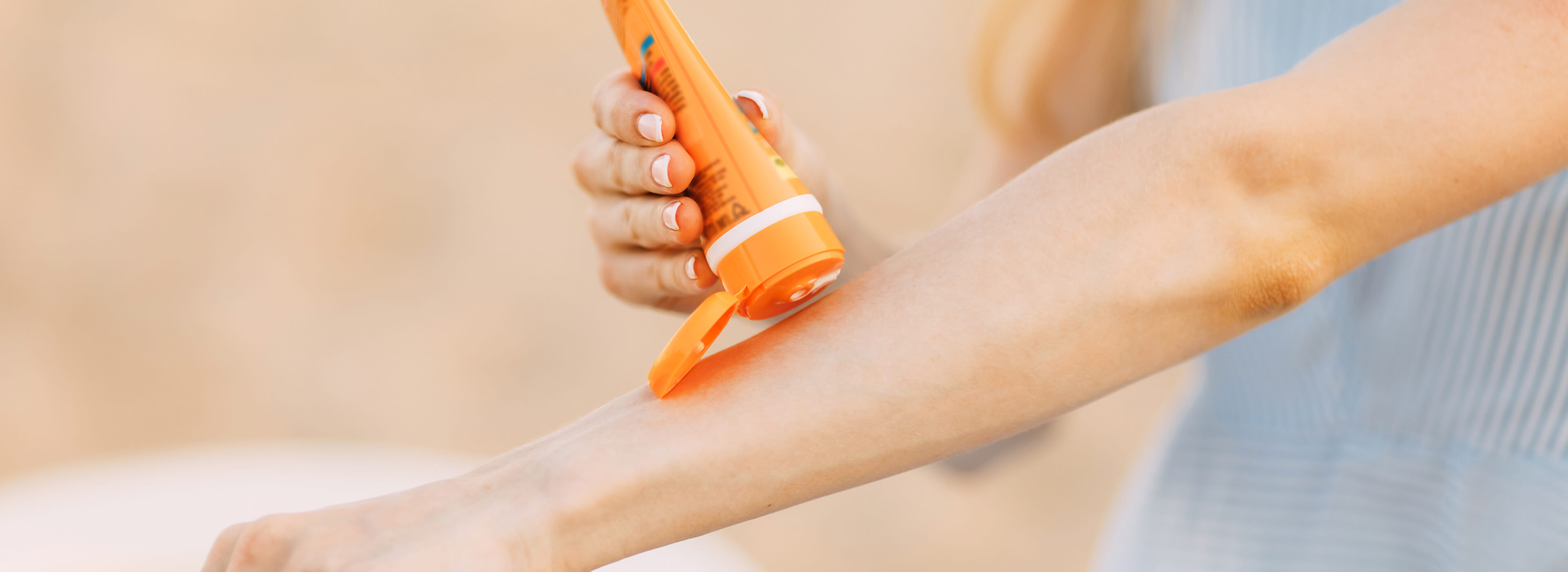
Few topics in dermatology generate more misinformation than sunscreen. Social media has turned sun safety into a battleground of extremes—either sunscreen is "toxic," or the sun is treated like a mortal enemy. The truth is far more balanced, and far more reassuring.
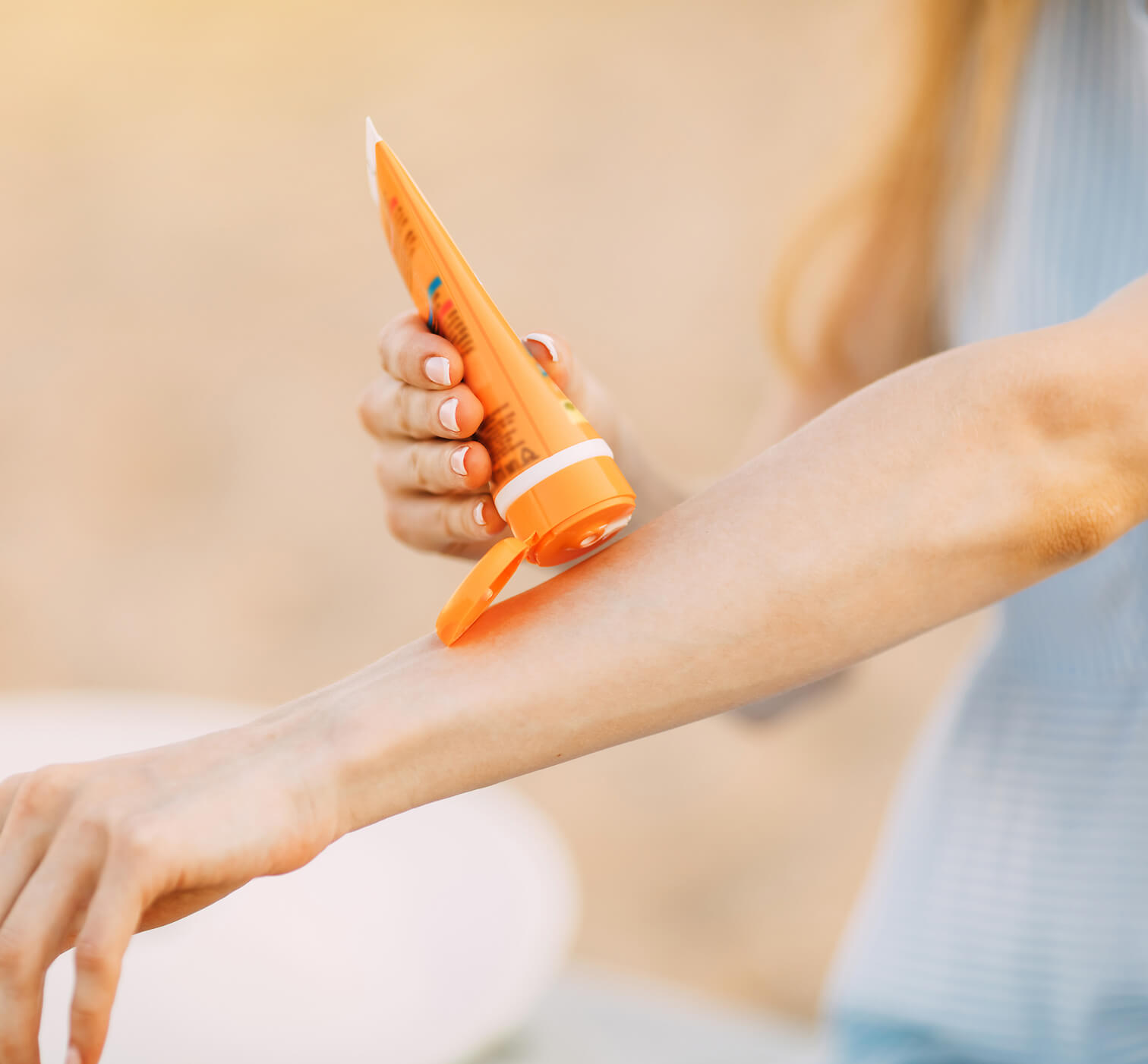
There is no credible evidence that FDA-approved sunscreens cause cancer. What is well documented is that ultraviolet (UV) radiation from the sun directly causes skin cancer, including melanoma, basal cell carcinoma, and squamous cell carcinoma. The theoretical risks discussed online have not translated into real-world harm, while the benefits of sunscreen are proven over decades of use.
Up to 80% of UV rays penetrate clouds, and UV exposure occurs year-round—even in winter. Snow, water, and sand reflect UV light, increasing exposure. Temperature has nothing to do with UV damage.
Normal sunscreen use does not cause vitamin D deficiency. In real life, people don't apply sunscreen perfectly or frequently enough to block all UVB. If vitamin D levels are low, supplementation is safer and more reliable than intentional sun damage.
Homemade sunscreens, oils, and botanical mixtures do not provide reliable UV protection. Many popular oils actually increase UV penetration. "Clean" or "chemical-free" labels are marketing terms, not medical ones.
While melanin offers some natural protection, it does not prevent skin cancer, sun damage, or hyperpigmentation. In fact, skin cancers in darker skin tones are often diagnosed later and at more advanced stages.
Sunscreen isn't about fear—it's about risk reduction, much like seatbelts or helmets.
The goal isn't to avoid the sun entirely, but to enjoy it safely and intelligently.
Resources

PLLA is a regenerative injectable that stimulates your skin to rebuild collagen over time for firmer, smoother face and neck results.
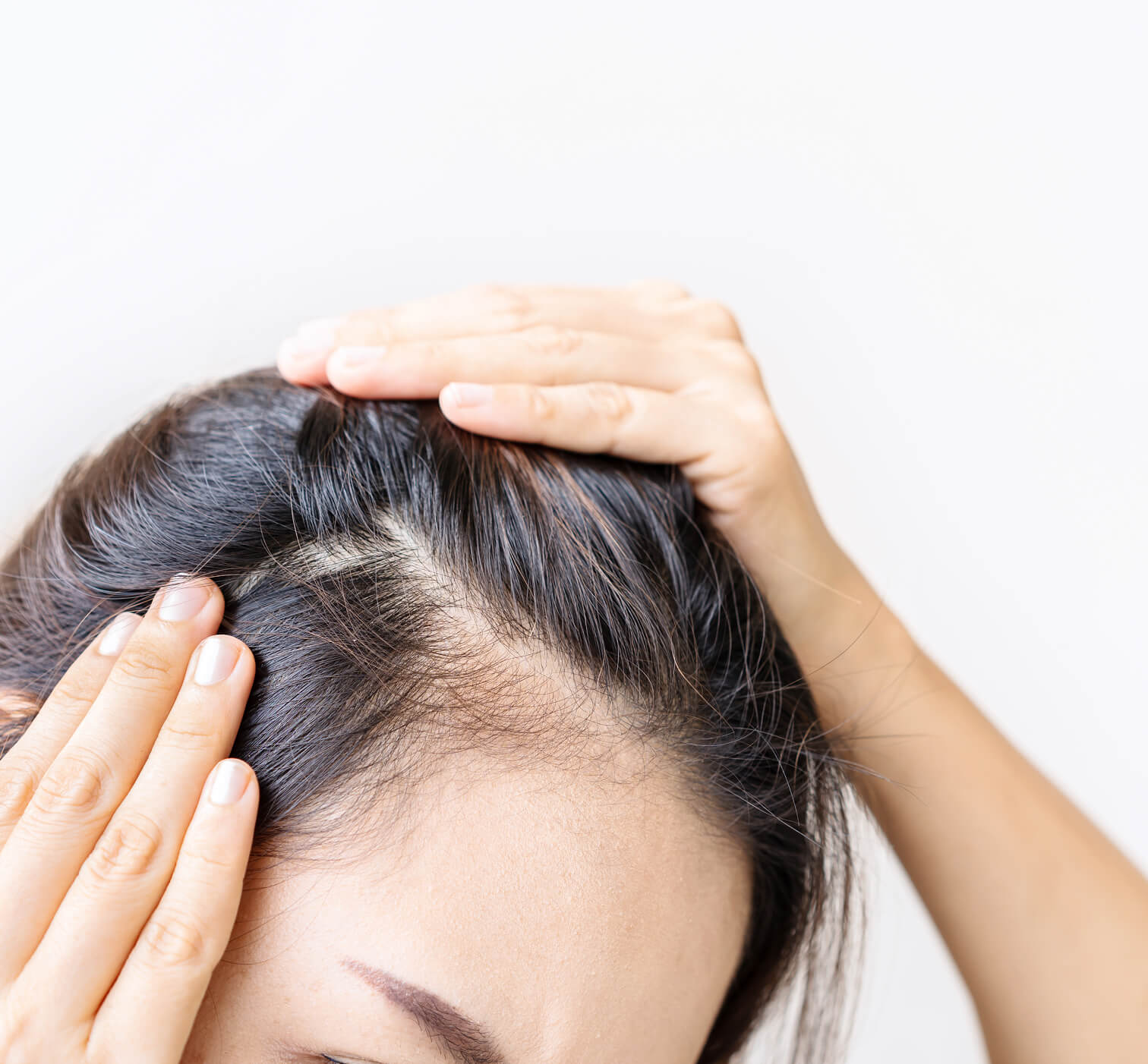
Dry, itchy scalp is one of the most common complaints in dermatology, yet it's also one of the most misunderstood.
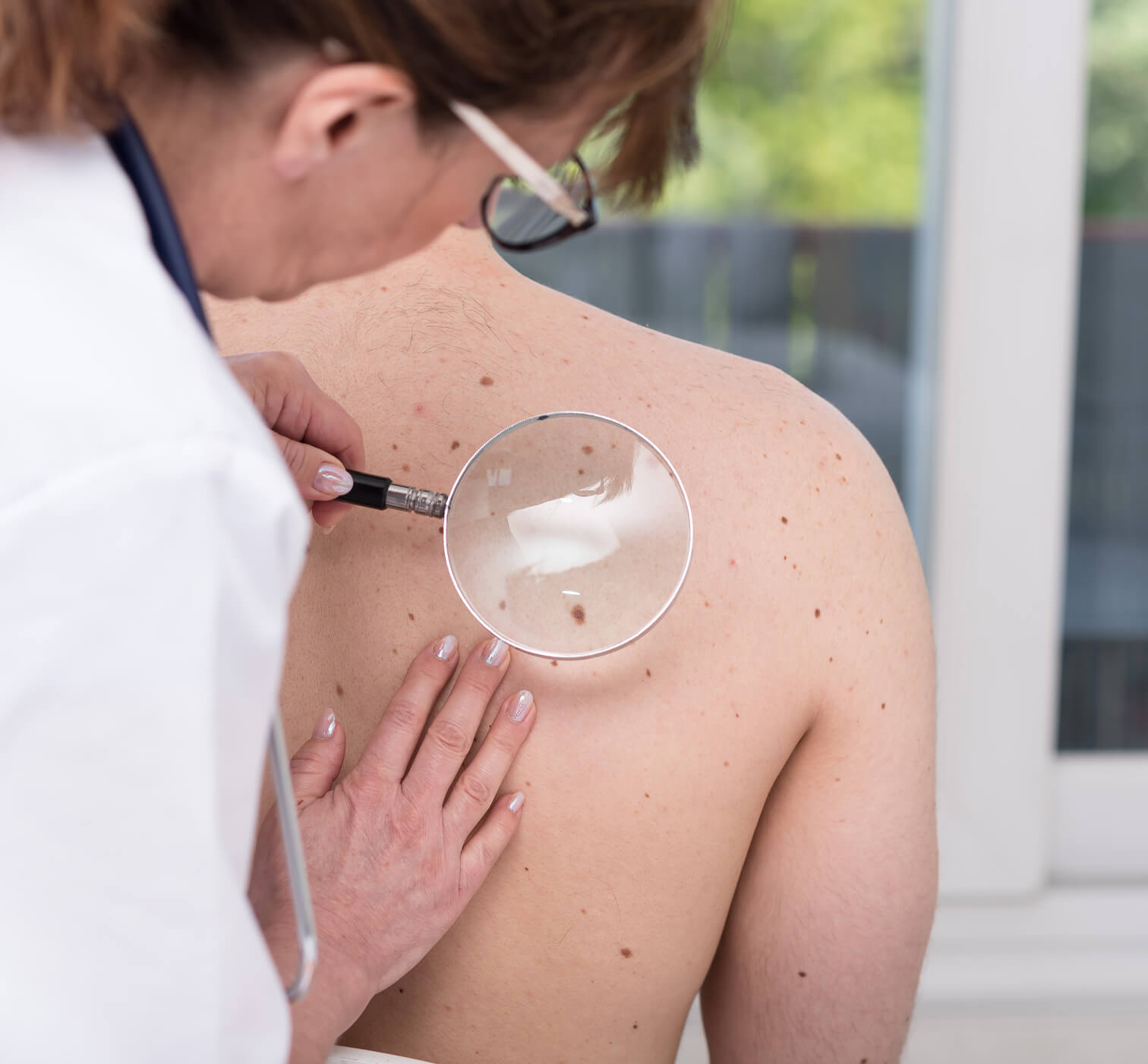
Yes. And this is one of the most important conversations dermatologists have with patients. Sunscreen is a powerful tool—but not a guarantee.