
The ears are one of the most overlooked areas in skincare, yet they're especially vulnerable to sun damage, irritation, and skin cancers. Because the skin on the ear is thin and often exposed, problems can appear here earlier and behave more aggressively than on other parts of the body. Here are the top five dermatology concerns to watch for—and when to see a dermatologist.

The ears receive as much sun as the face but are rarely protected. Basal cell and squamous cell cancers often appear as scaly patches, nonhealing sores, crusty bumps, or tender areas. Melanoma may look like a new dark spot or a changing mole.
Seek treatment immediately for any spot that bleeds, crusts, grows, or changes in color or shape.
These are rough, sandpapery patches caused by chronic sun exposure. On the ear, they can progress to skin cancer if untreated.
See your dermatologist if you notice persistent rough spots or scaly patches that don't go away.
This condition causes a small, tender bump on the rim of the ear, often from pressure while sleeping. It can mimic skin cancer and is often quite painful.
Schedule a visit if you have persistent ear pain or a sore spot that doesn't heal.
The ears can develop flaking, itching, and redness from products, jewelry, glasses, earbuds, or hearing aids.
Seek care if irritation lasts more than one to two weeks, or if the skin becomes cracked or infected.
Sebaceous cysts can form behind the ear or on the earlobe and may swell or become infected. Keloids—thick, raised scars—are common after piercings.
See a dermatologist if a cyst becomes painful, growing, or draining, or if a keloid is increasing in size.
Any spot on the ear that is new, painful, changing, or not healing deserves a professional evaluation. Early diagnosis makes treatment easier, safer, and far more effective.
Resources

PLLA is a regenerative injectable that stimulates your skin to rebuild collagen over time for firmer, smoother face and neck results.
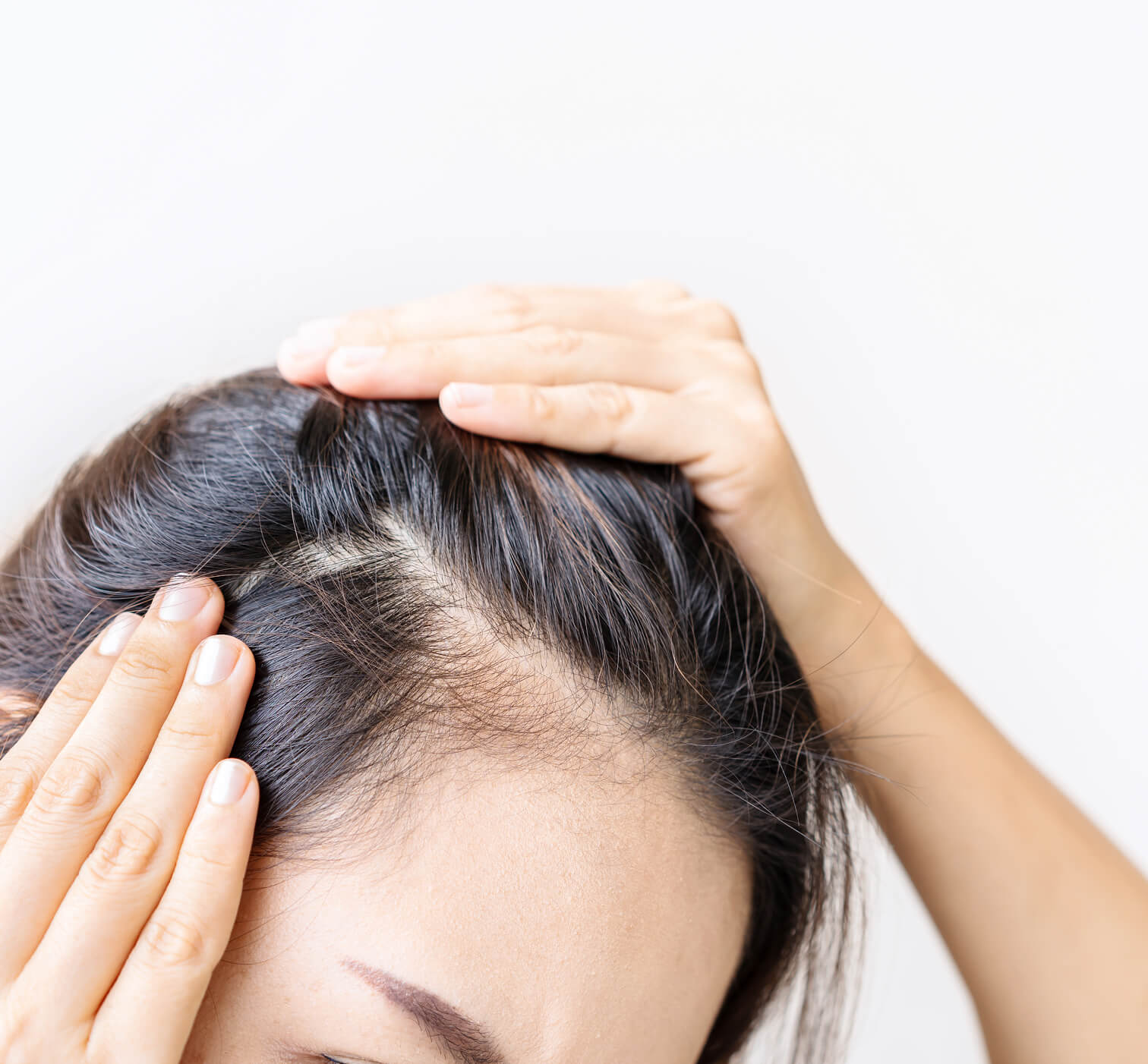
Dry, itchy scalp is one of the most common complaints in dermatology, yet it's also one of the most misunderstood.
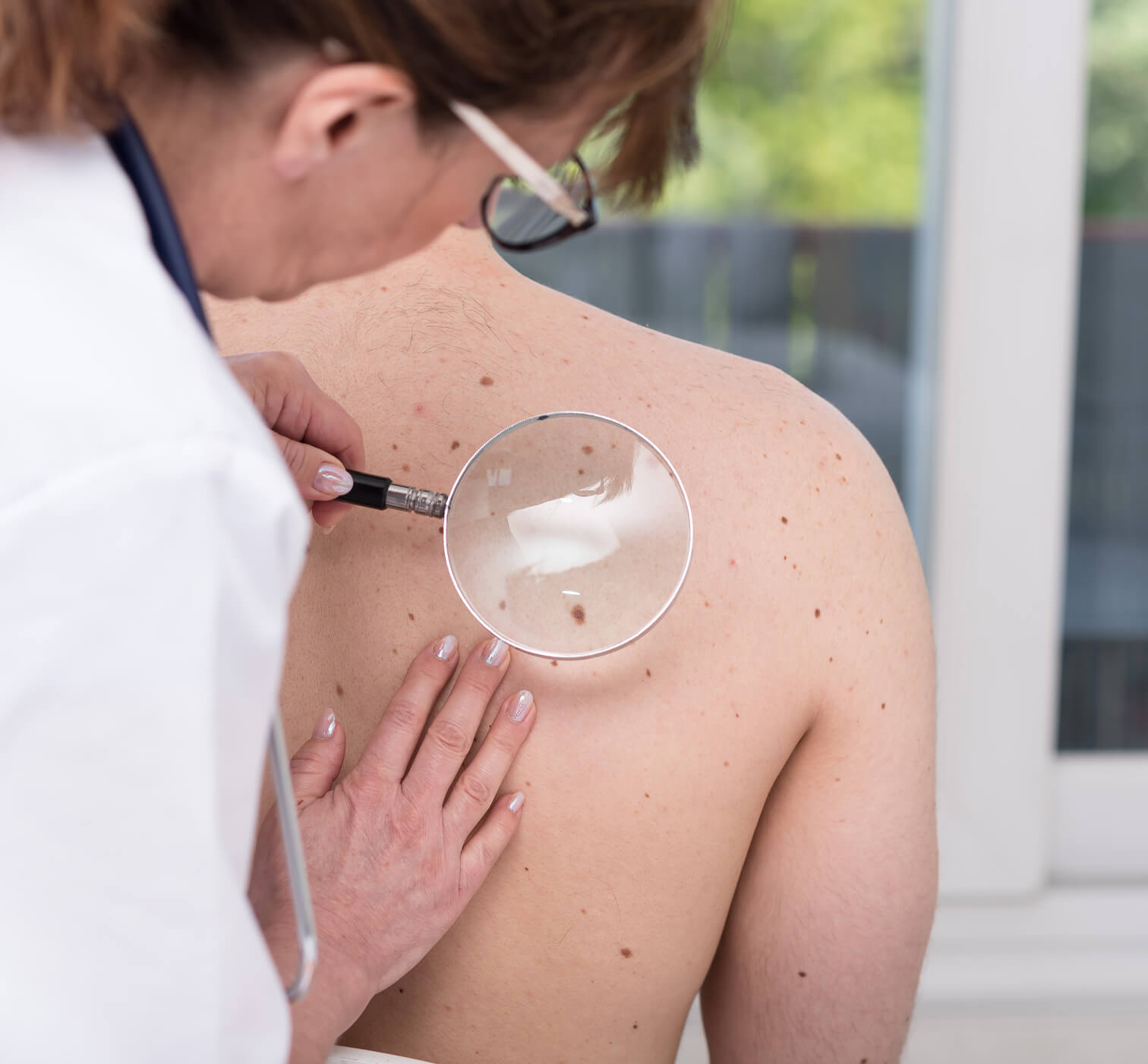
Yes. And this is one of the most important conversations dermatologists have with patients. Sunscreen is a powerful tool—but not a guarantee.